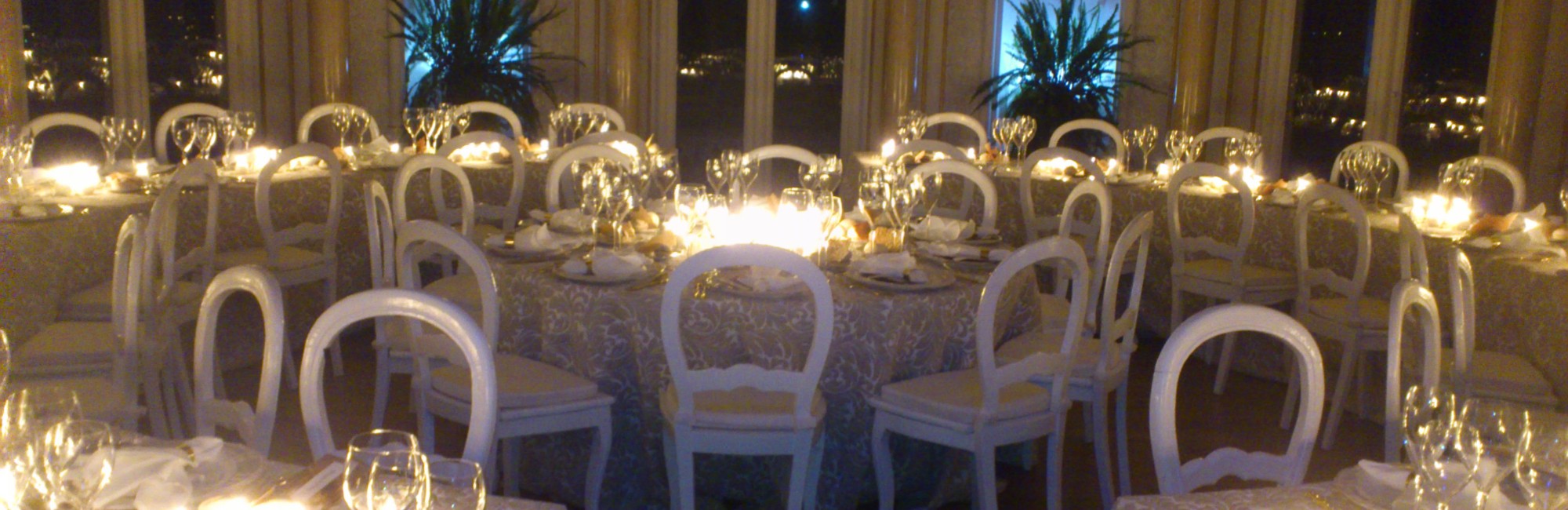
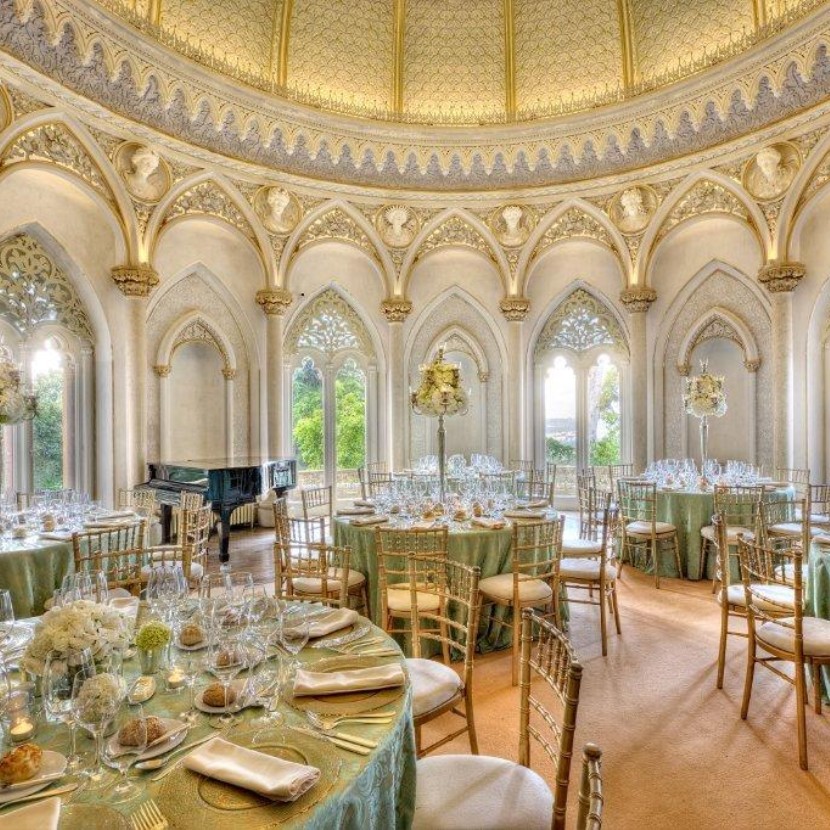
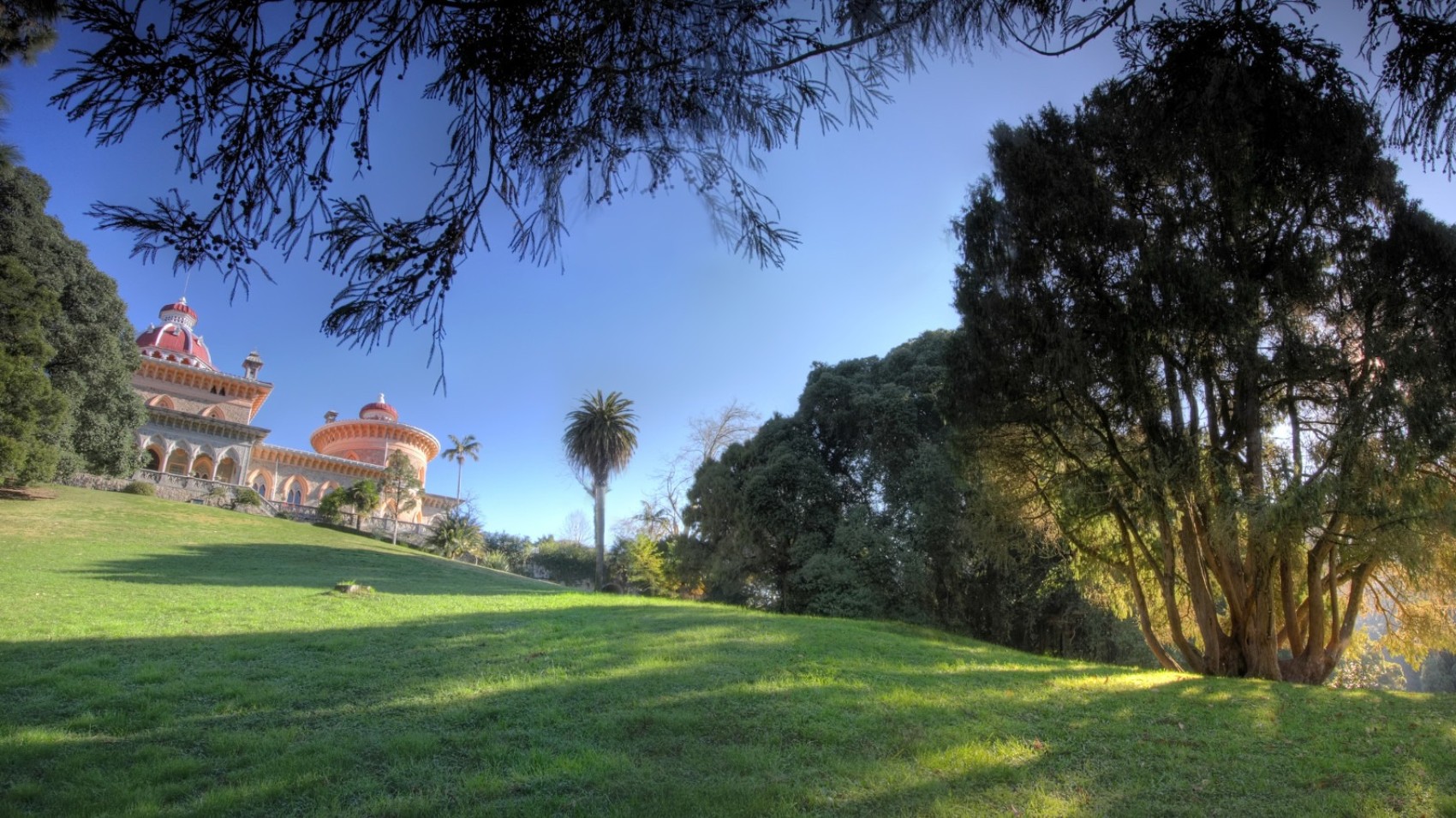
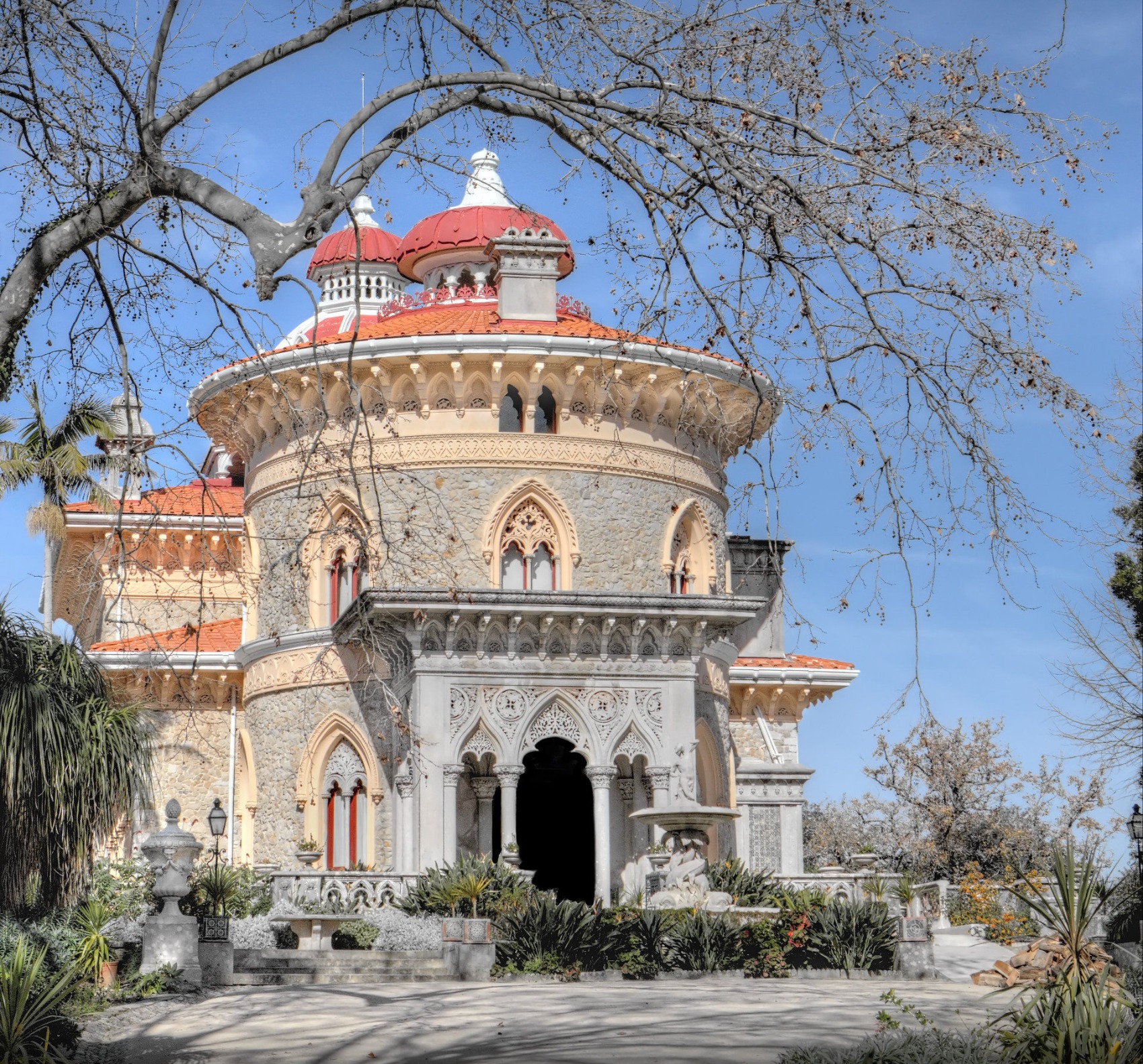
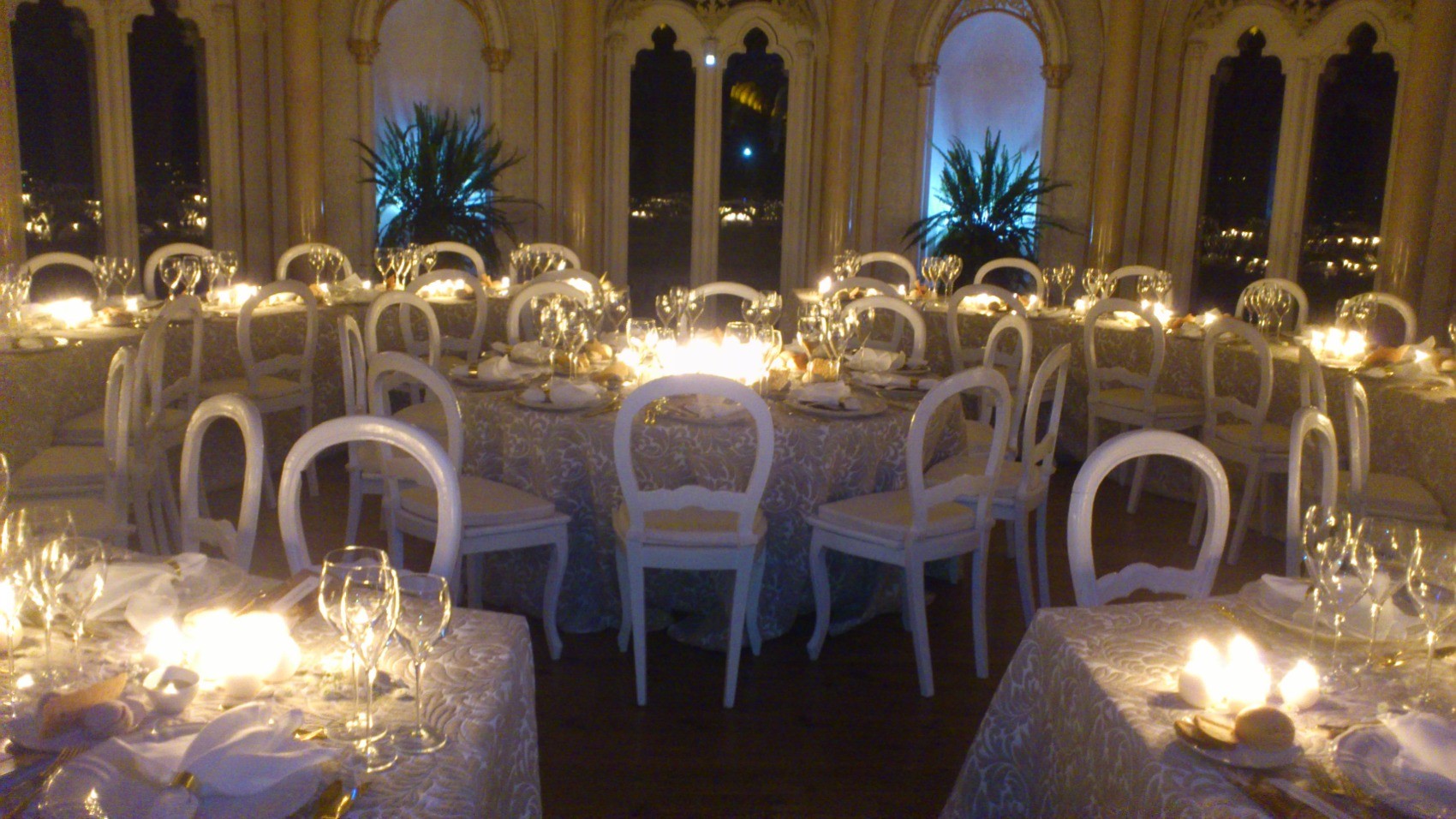
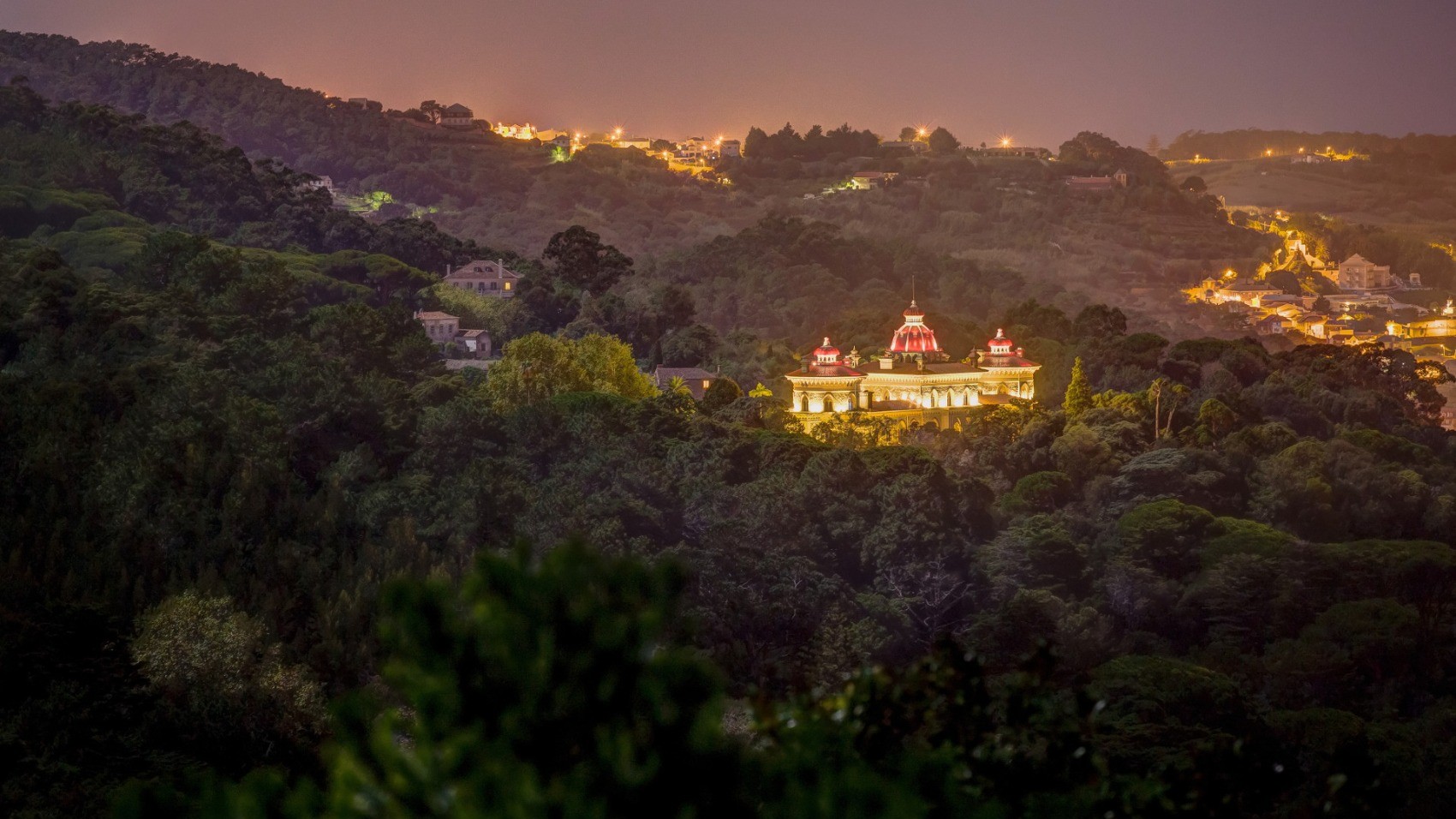
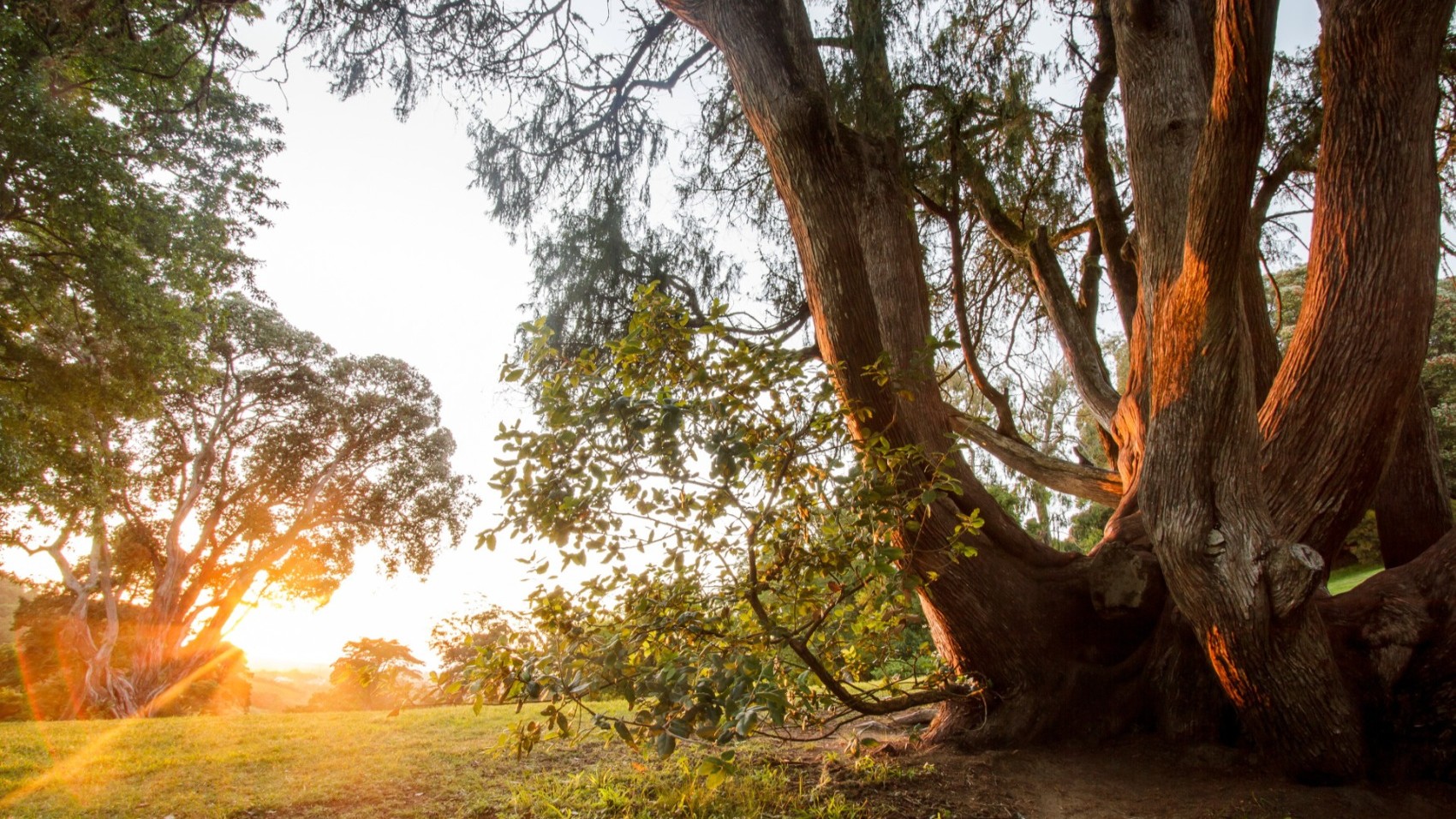
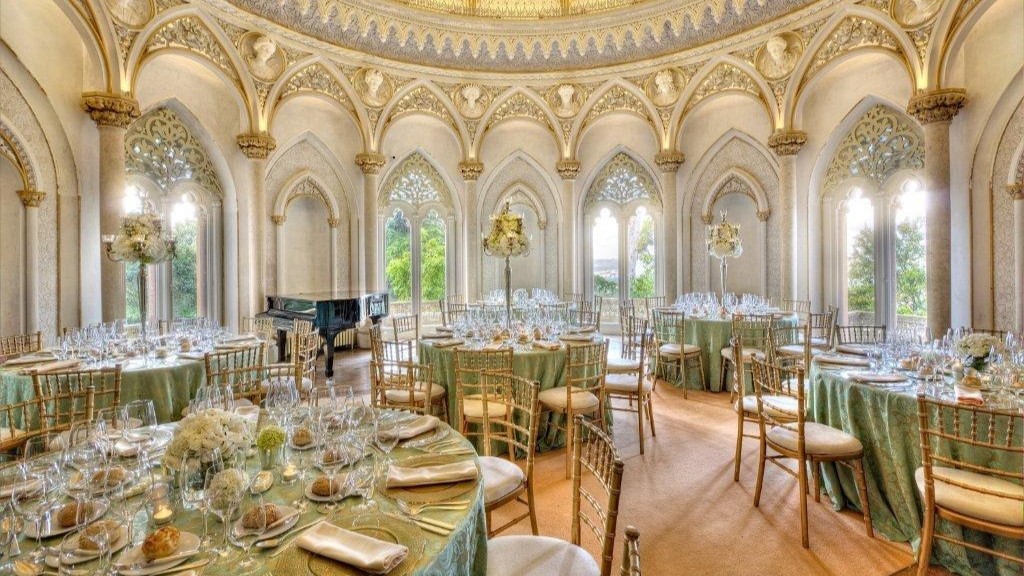
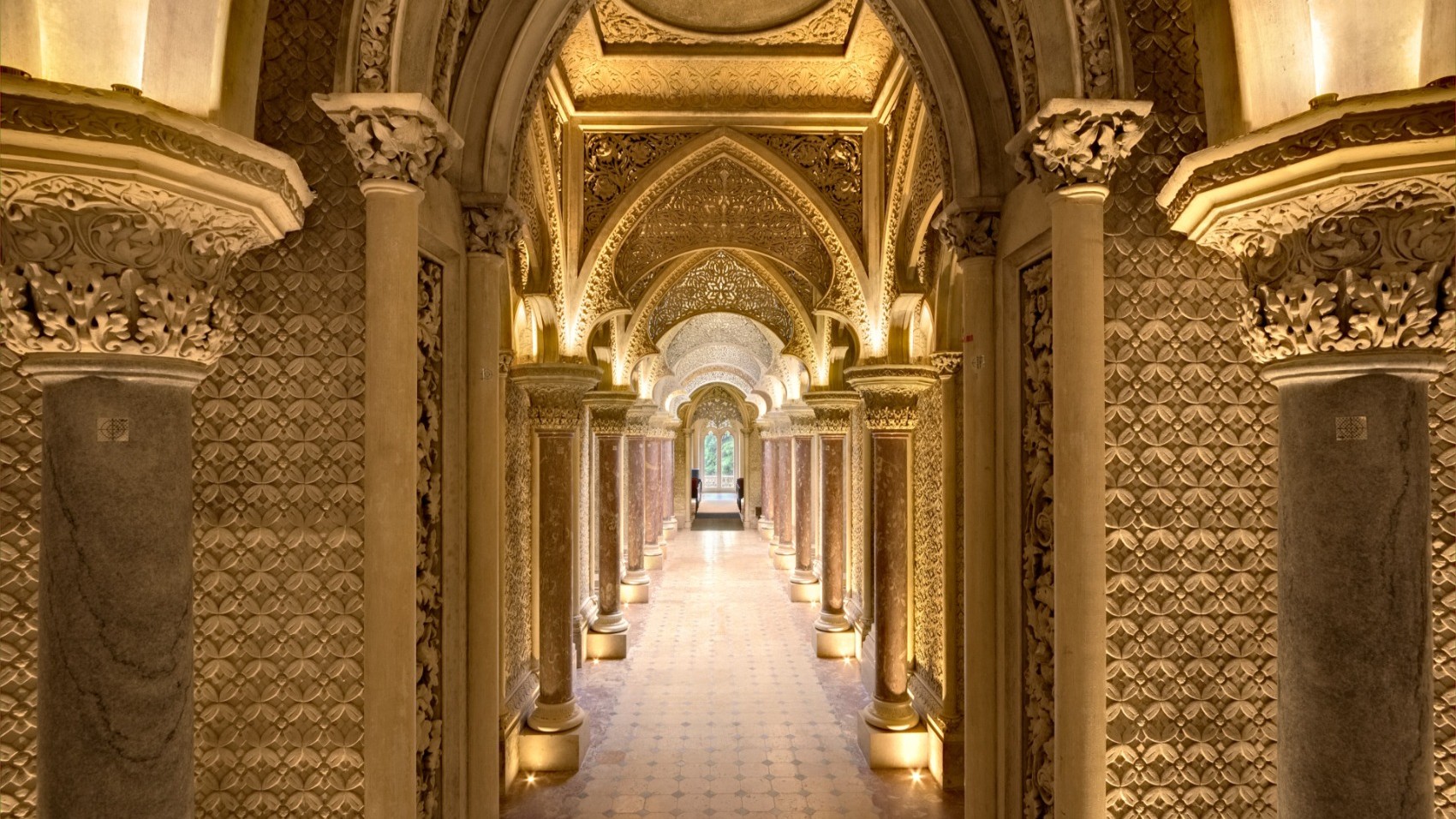
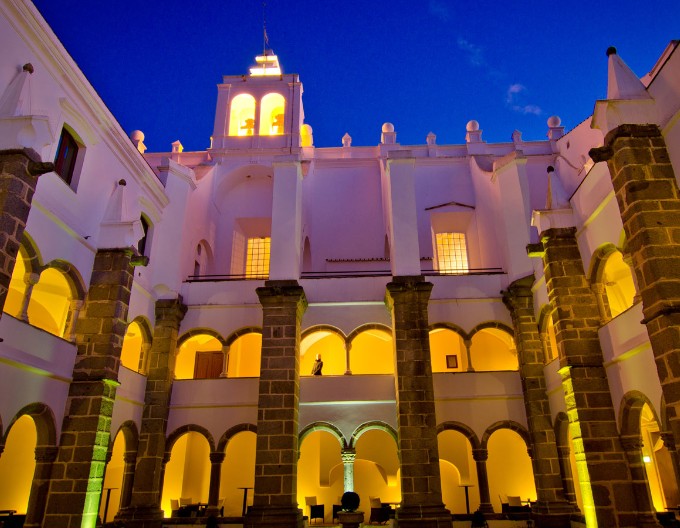
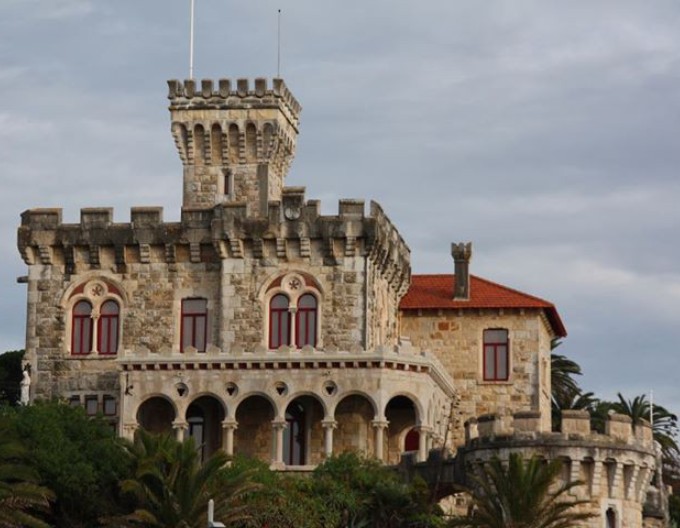
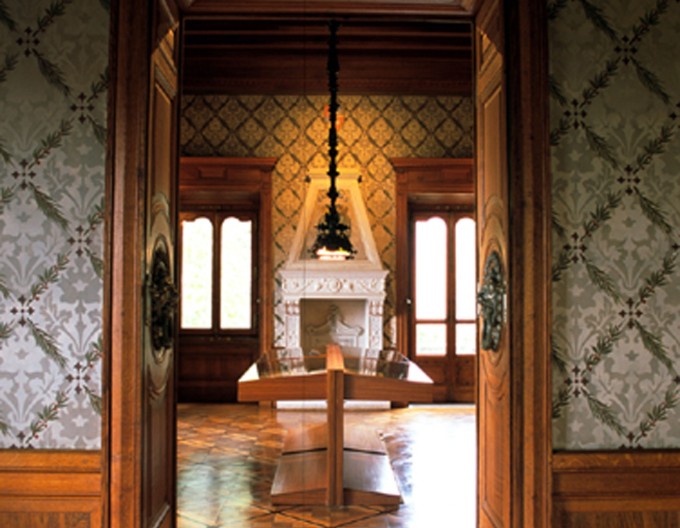
The Palace is a unique testimony to the eclecticism of the nineteenth century, where the exotic plant motifs of the interior extend harmoniously outside. The front lawn of the Palace offers the opportunity for a well-deserved rest, before continuing with the discovery of one of Portugal’s richest botanical gardens.
At the end of the eighteenth century, the Park of Monserrate was rented to Gerard DeVisme, a rich English merchant who built a house there in the neo-gothic style. In 1794, DeVisme sublet Monserrate to William Beckford, but by 1809, when Lord Byron visited and described it in the poem “Childe Harold’s Pilgrimage”, the house, being abandoned, was already in ruins. However, Monserrate became an obligatory tourist stop for foreign travellers, especially the English, and was described in numerous travel accounts and engravings.
One famous visitor was Francis Cook, another very rich English industrialist who was later honoured by King Luis with the title Viscount of Monserrate, who purchased the property and initiated, together with the architect James Knowles, the transformation of what remained of the DeVisme house. By 1866, Monserrate Palace was finished, in a style that combined Gothic and Indian influences with Moorish touches. Along with Pena Palace, it is one of the most important examples of Romantic architecture in Portugal.
The surrounding gardens received species from all over the world and were organised according to their geographic areas, reflecting the diverse origins of the plants and forming landscapes along the paths between ruins, recesses, lakes and waterfalls. Of note is the garden of Mexico, recently restored. It is largely thanks to the planned intervention of landscaper William Stockdale, botanist William Neville, master gardener James Burt and, in particular, the romantic spirit of Francis Cook that today we find such contrasting scenes in the Park of Monserrate, which, along winding paths, side by side with spontaneous regional species, such as strawberry trees, now very rare hollies and imposing cork oaks, allow us contact with ancestral arboreal ferns and araucarias, agaves and palm trees that recreate a scene from Mexico, and camellias, azaleas, rhododendrons and bamboo evoking a garden in Japan.
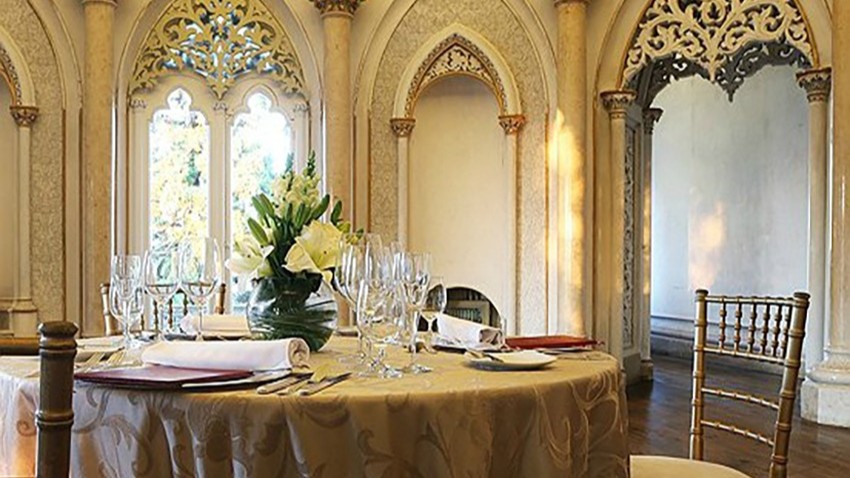
The Portuguese government acquired the estate and the Palace in 1949, which were later entrusted to Parques de Sintra in 2000. Following the extensive rehabilitation of the roof and the façades, and the implementation of new infrastructure networks, the Palace reopened in the summer of 2010. The restoration of the interiors is undergoing ever since, in full view of the visitors. Rooms such as the Library, the Chapel, the Dining Room and the Kitchens have already been fully restored.