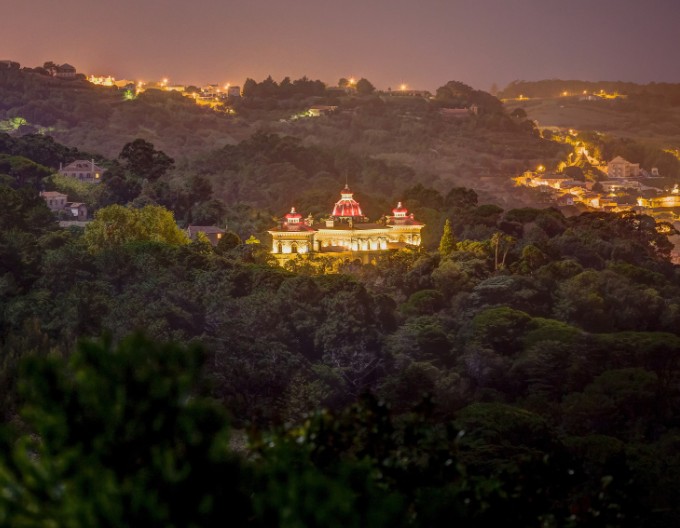
The story of this monastery began with a young man – Vasco Martins from Leiria. Just turned 17, he was moved by the monastic phenomenon which was taking place over much of Europe, inspired by the teachings of Saint Hieronymus. As such, he left Lisbon in 1321 for Italy to join the monastic congregation recently founded by Tommasuccio da Foligno. Having acquired the ascetic principles he sought, he returned home to Portugal in 1353 with two companions, Friar Alberto and Friar Antonino, with the intention of founding a monastery of the Hieronymite Order.
At that time, the area to the west of Lisbon was considered to be somewhat wild and uninhabitable with Cascais covered with kermis-oak groves and moors used mainly for falcon breeding. (The low Latin term for falcon – asturil from astur meaning falcon gave birth to the name of Estoril).
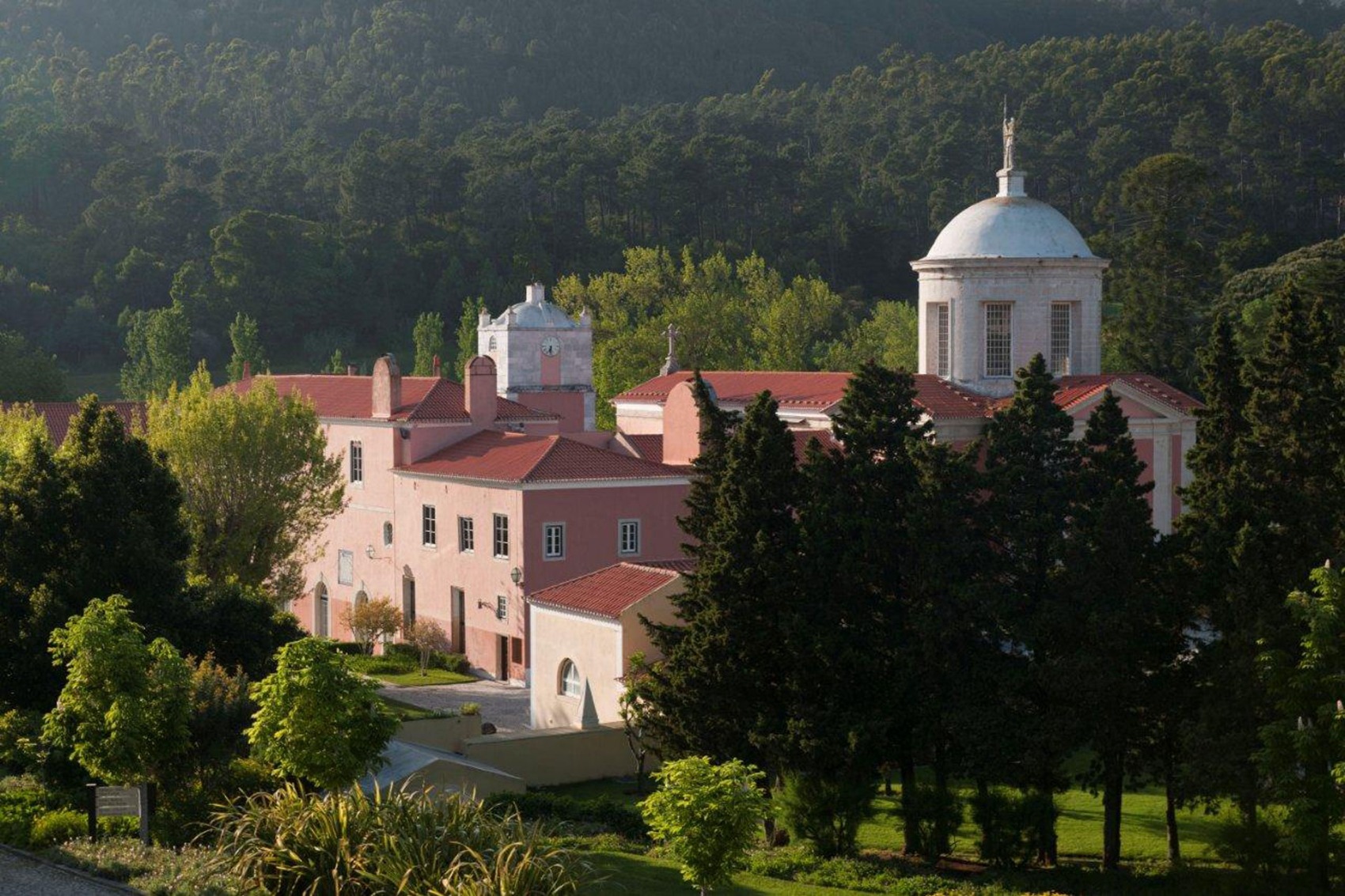
Friar Vasco and his companions arrived in the Penha Longa valley around 1355 and next to a small chapel traditionally consecrated to Our Lady of Piety (now rebuilt as the Penha Longa Church), the Monks began to build some cells, starting a secular community life. In 1372, through the Hieronymite Monks from Castille, the Monks sent a petition to Pope Gregory 11th and in 1373, by private Papal Edict, Salvatoris humani generic, the Pope allowed them to take the vows in the Hieronymite Order according to the rules of St Augustin. In 1390, King Joāo 1st sponsored the purchase of the site next to the Long Rock and the Penha Longa religious community was formally acknowledged in 1400 and in 1448, was consecrated.
The small monastery thrived, increasing its domain thanks to the favour of various Kings and Princes who often stayed for long periods – preferring the cooler microclimate of Sintra to the heat of the city – and – the hunting that was locally available.
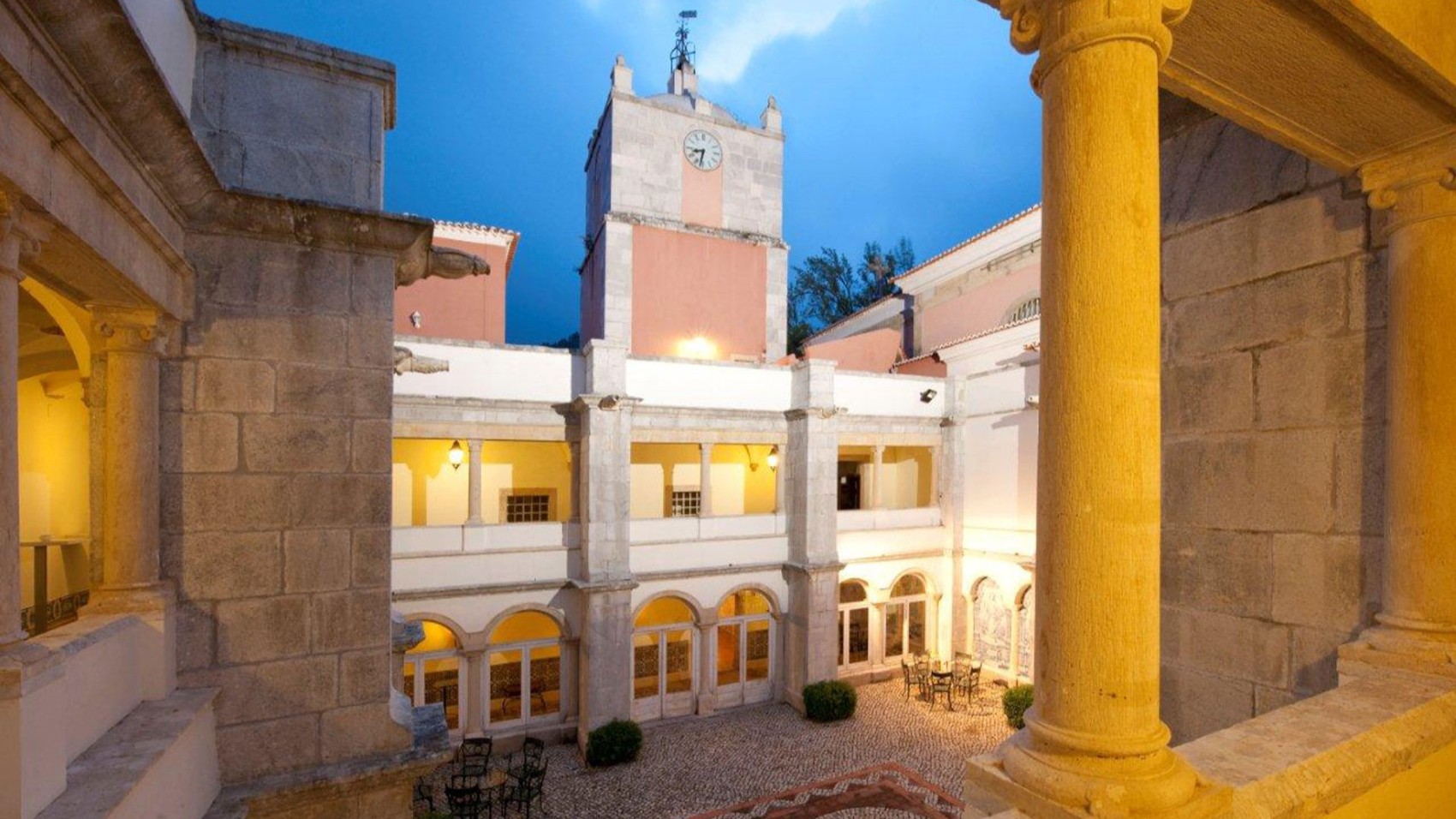
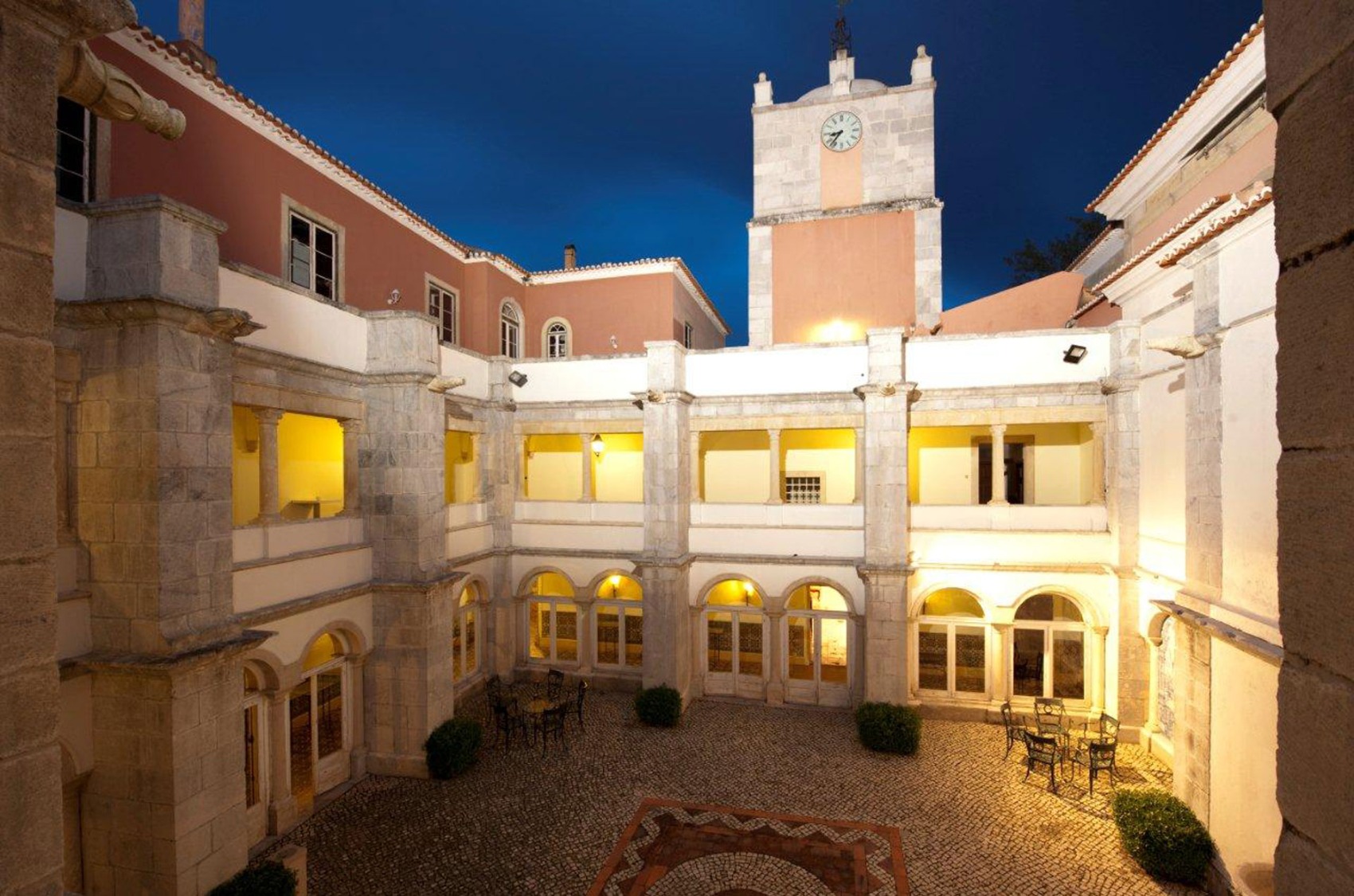
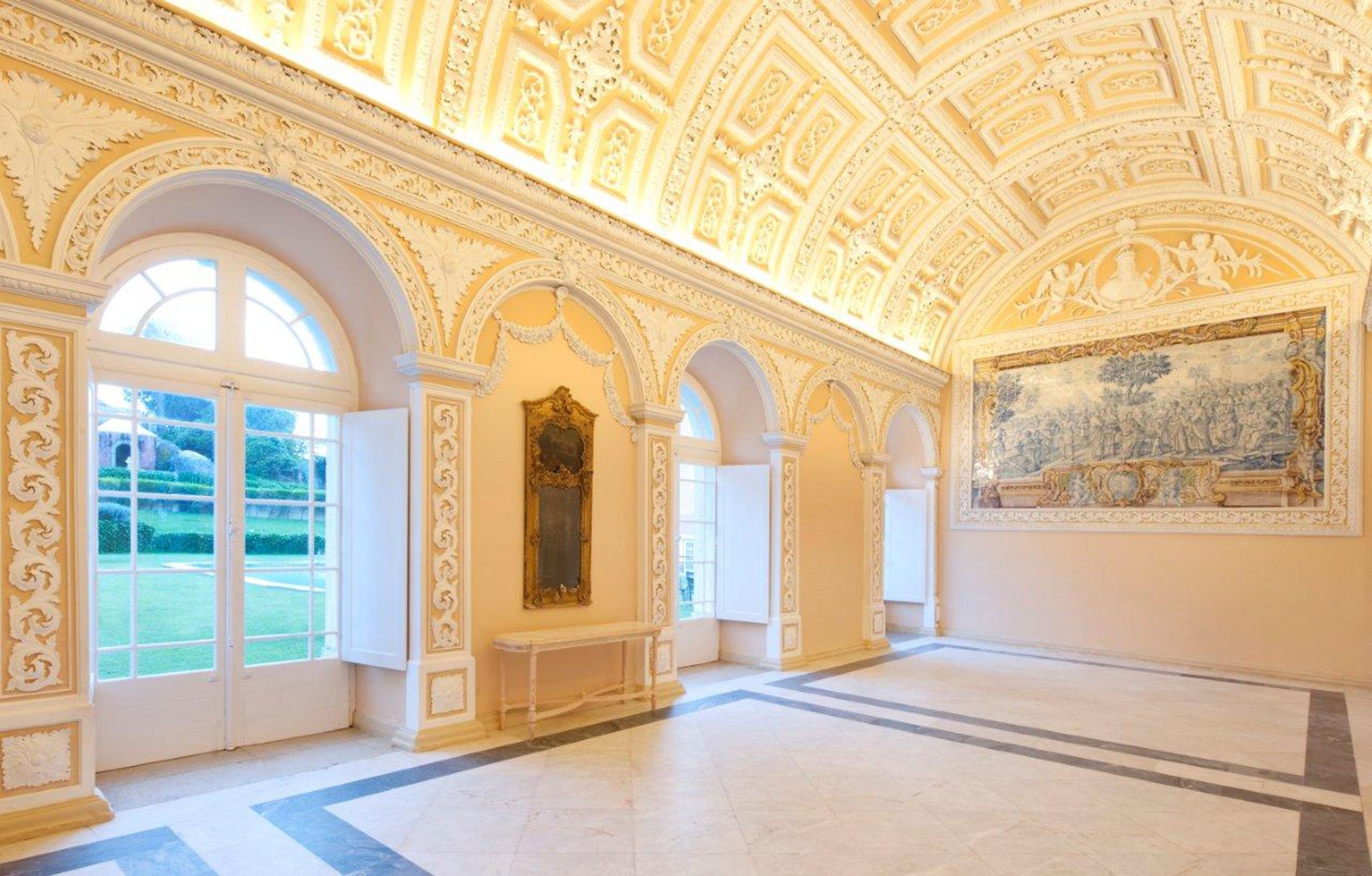
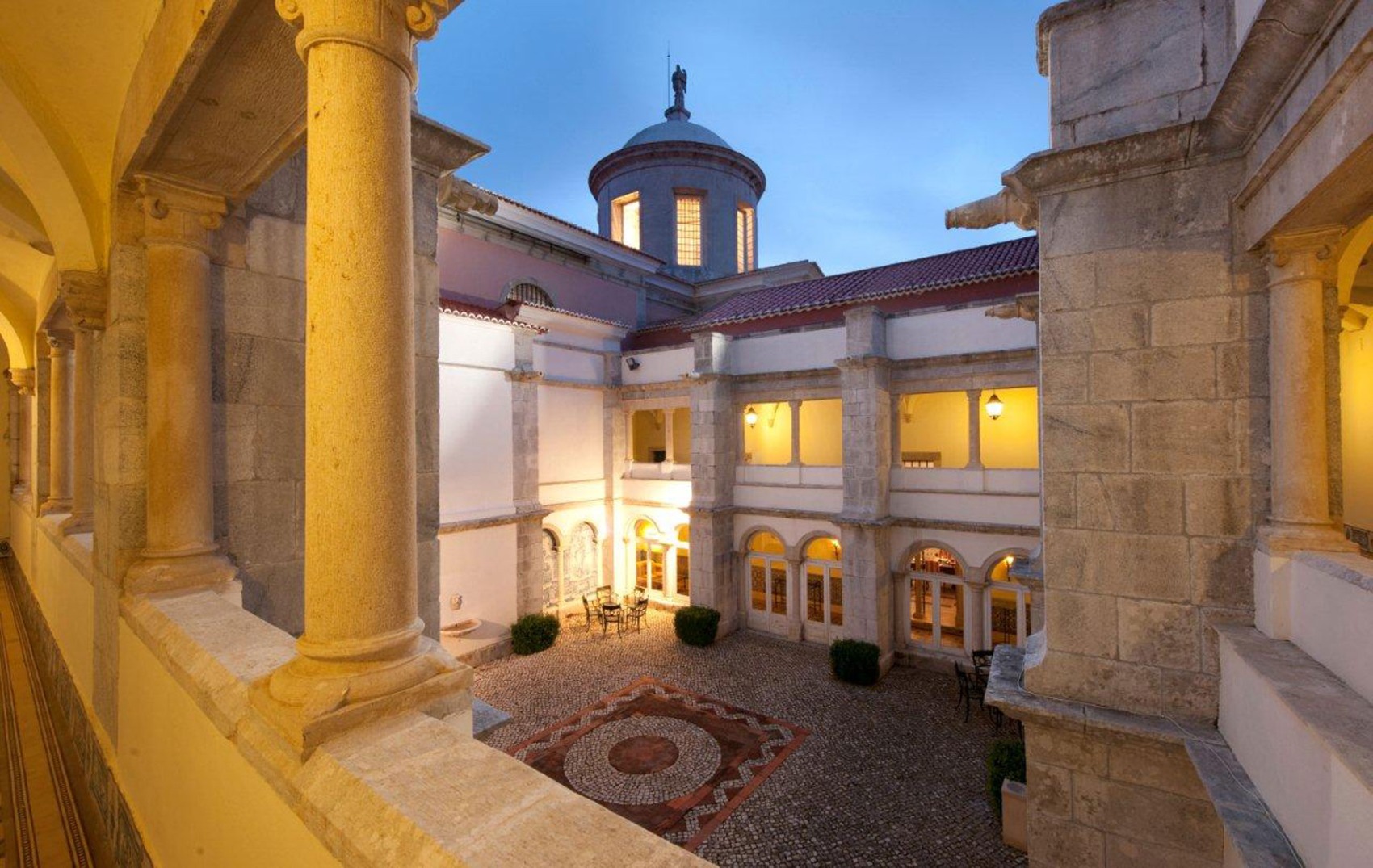
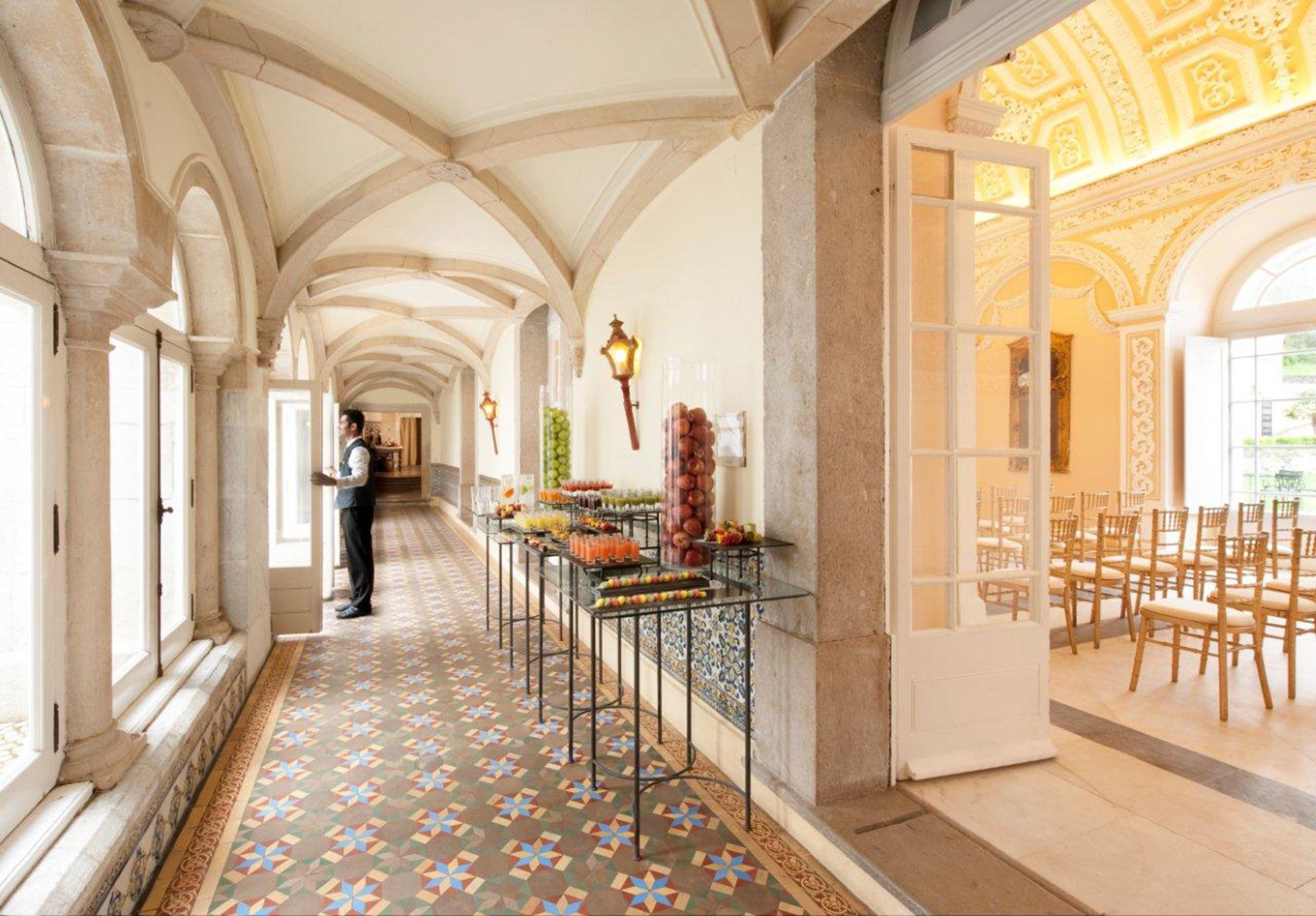
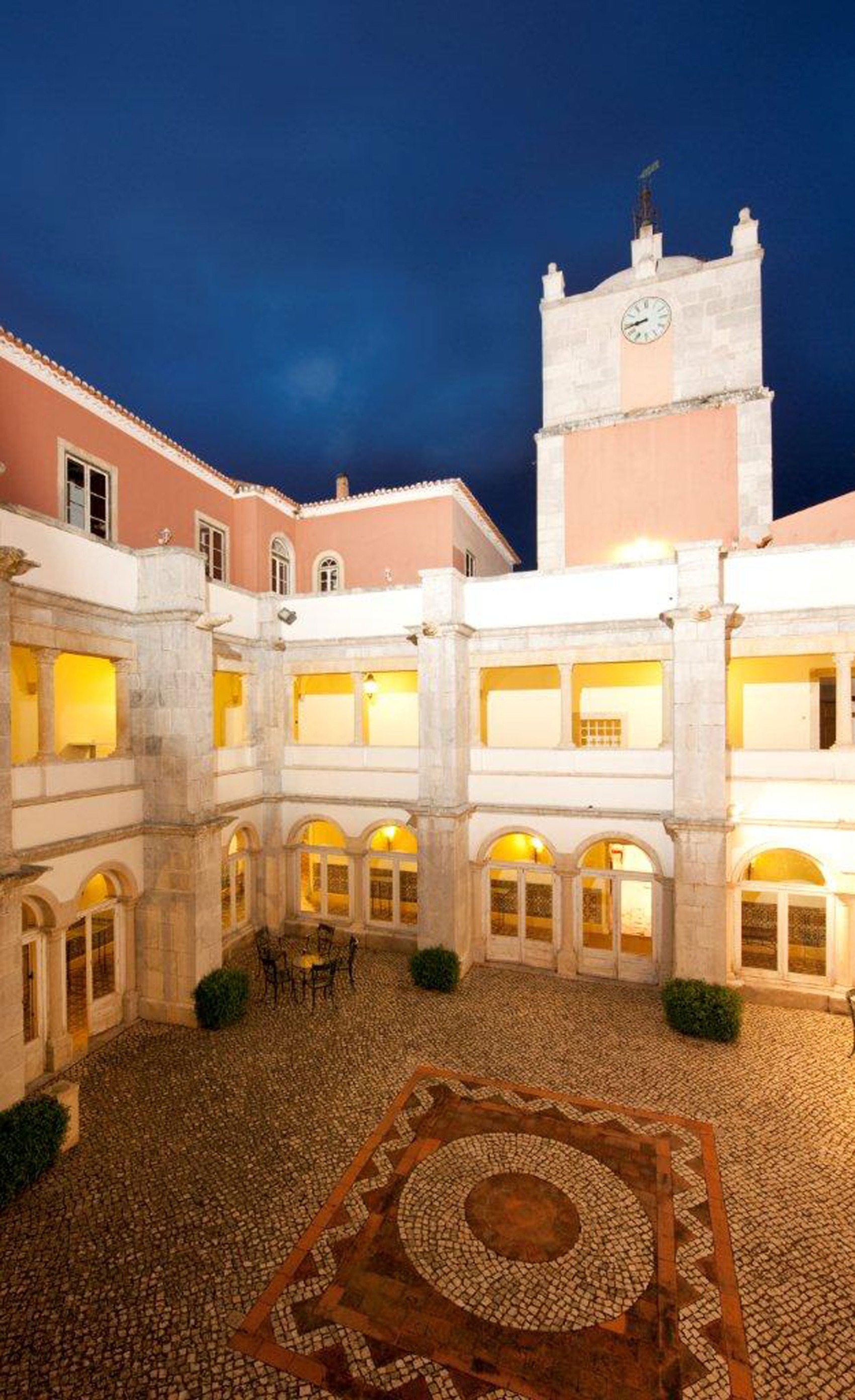
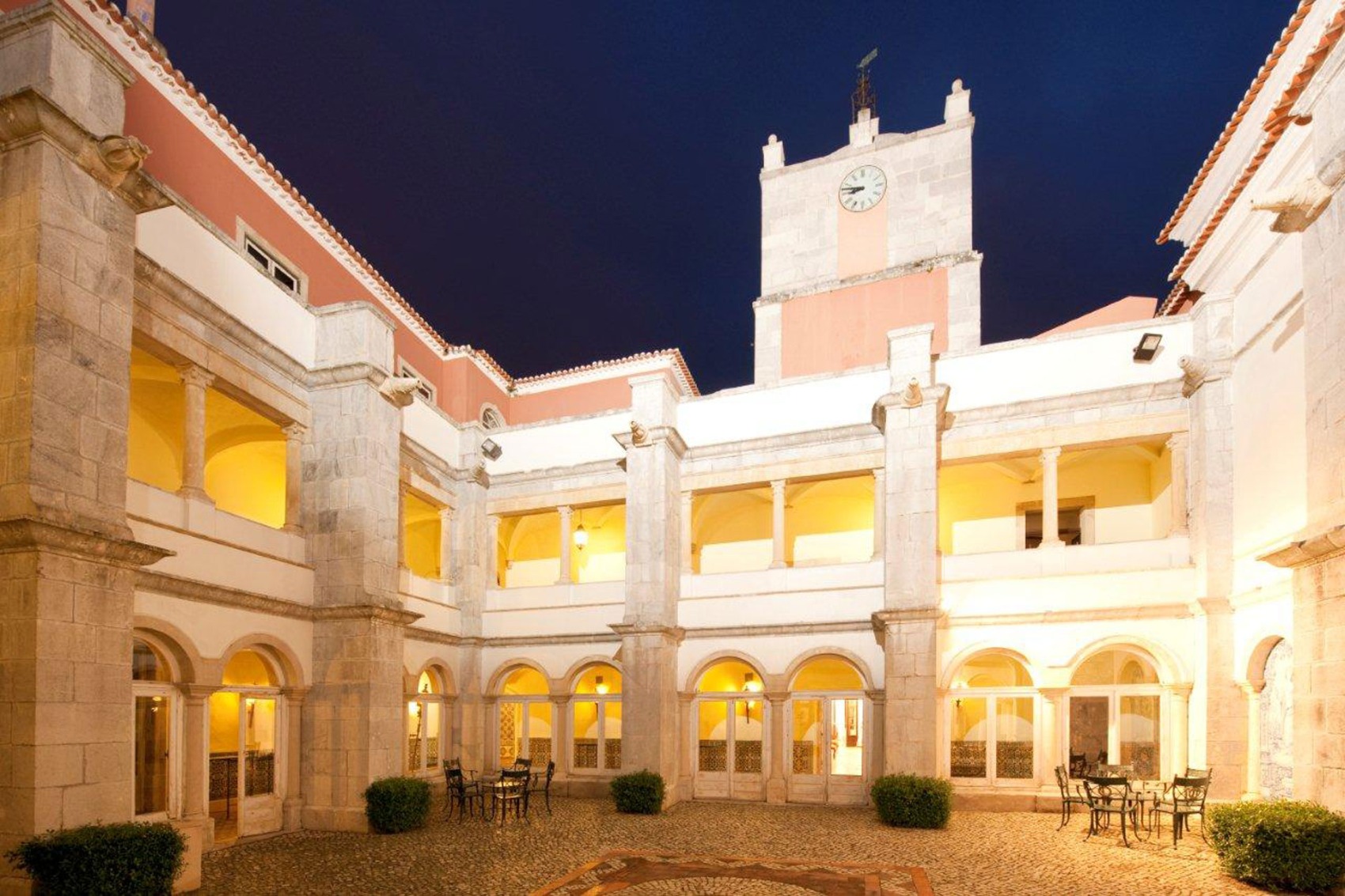
In the 16th century, King Manuel built a small palace next to the Monastery which itself underwent considerable refurbishment. The Manueline style, as it became known, can still be seen in the buildings that survived the Lisbon earthquake of 1755, the Sacristy and the main entrance to the Convent – both in the arched ceilings and in the twin portals of the Palace.
In 1584 Penha Longa Monastery hosted the first official Japanese Delegation to Europe, consisting of four young students from the Jesuit Mission in Nagasaki. The youths of noble birth, came from the main Christian Daimio families – Mancio Ito, Miguel Chijiwa, Julian Nakaura and Martin Hara. The Jesuit Fathers who accompanied them on their European travels sponsored them. The Princes arrived at Penha Longa in the late afternoon and dined on various delicacies. They then changed into Japanese finery with full ornamental swords before travelling onto the Court in Sintra to call on Cardinal Alberto, their host. After the visit, they returned to Penha Longa for the night before strolling around the gardens the next morning.
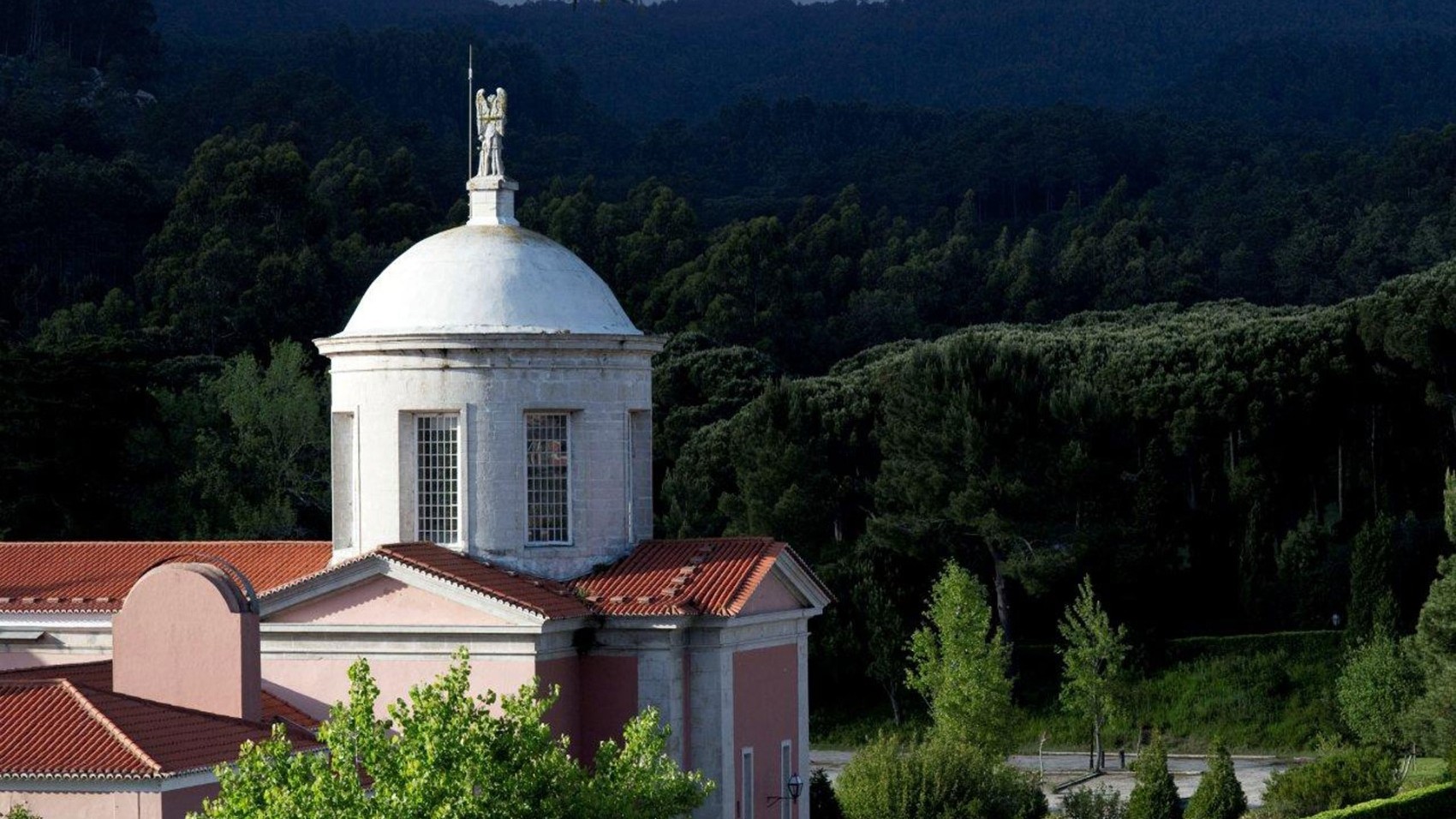
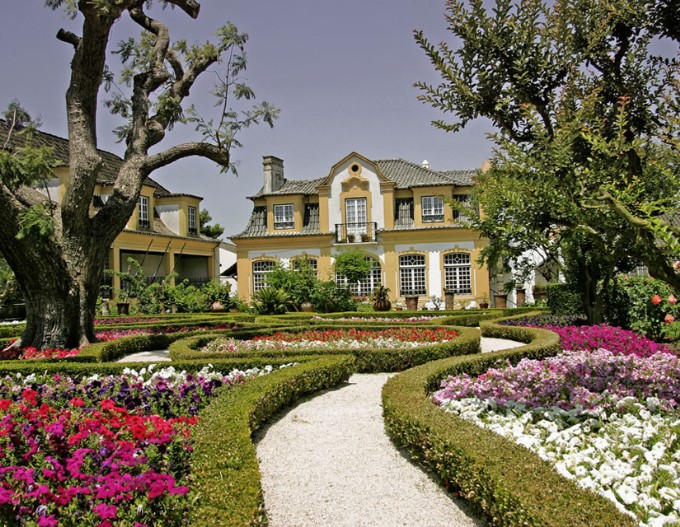
Partially destroyed in the Lisbon earthquake of 1755, the current Church was rebuilt around 1780/81 to around 1812 – whenever funds were available to pay for the work. Many Penha Longa buildings were restored and others, such as The Garden of S Gonçalo and the Palace of the Marquês de Anjeja were built.
The monastery’s days were ended on 28th May 1834 with the expulsion of all religious orders from Portugal.