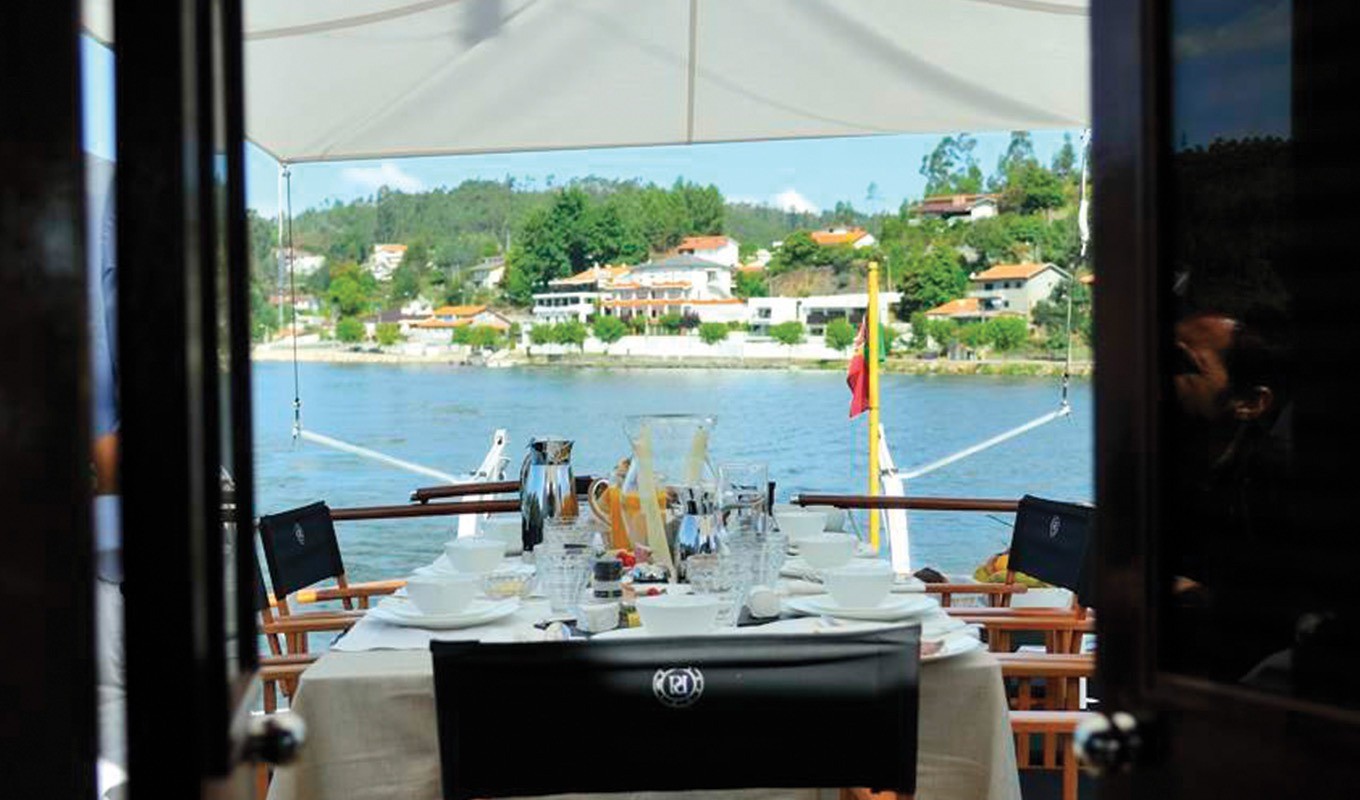
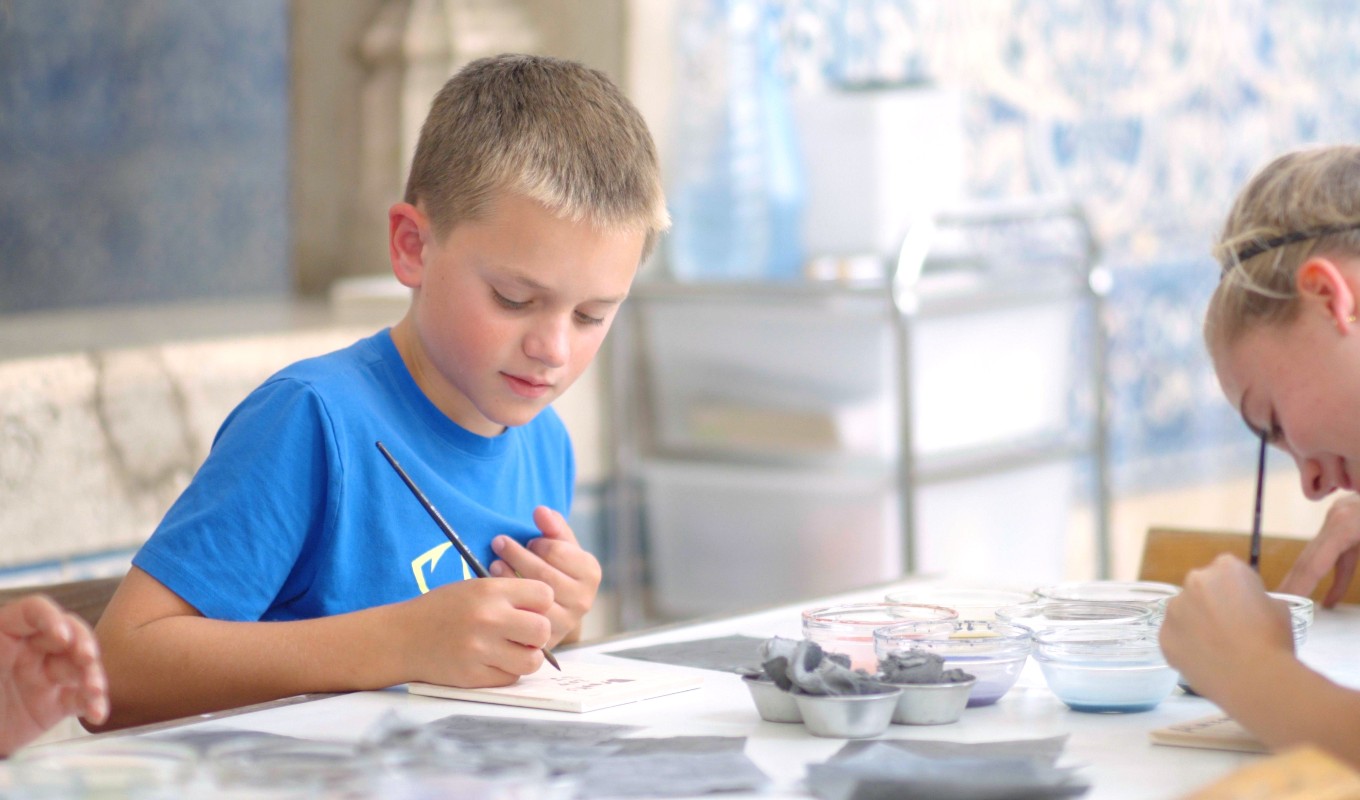
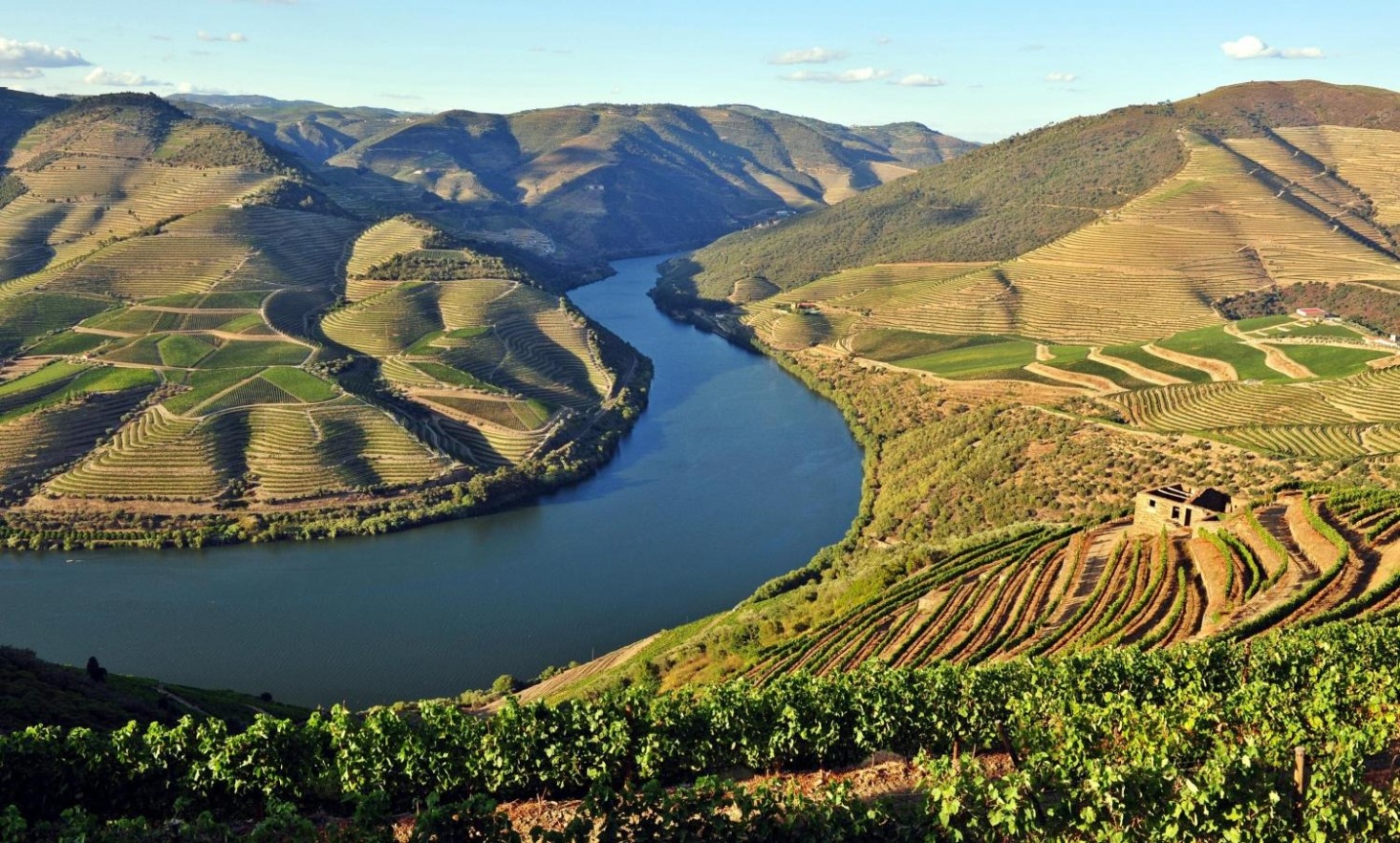
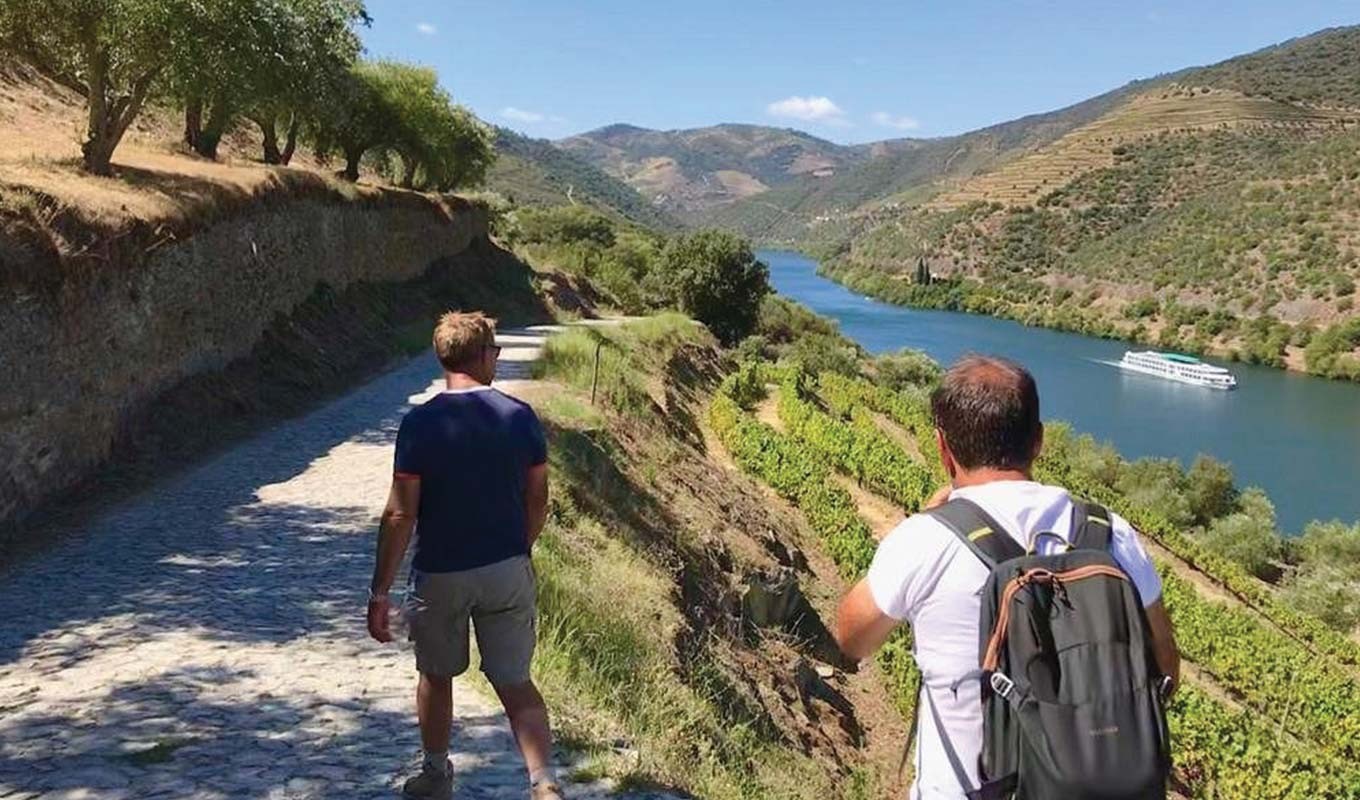
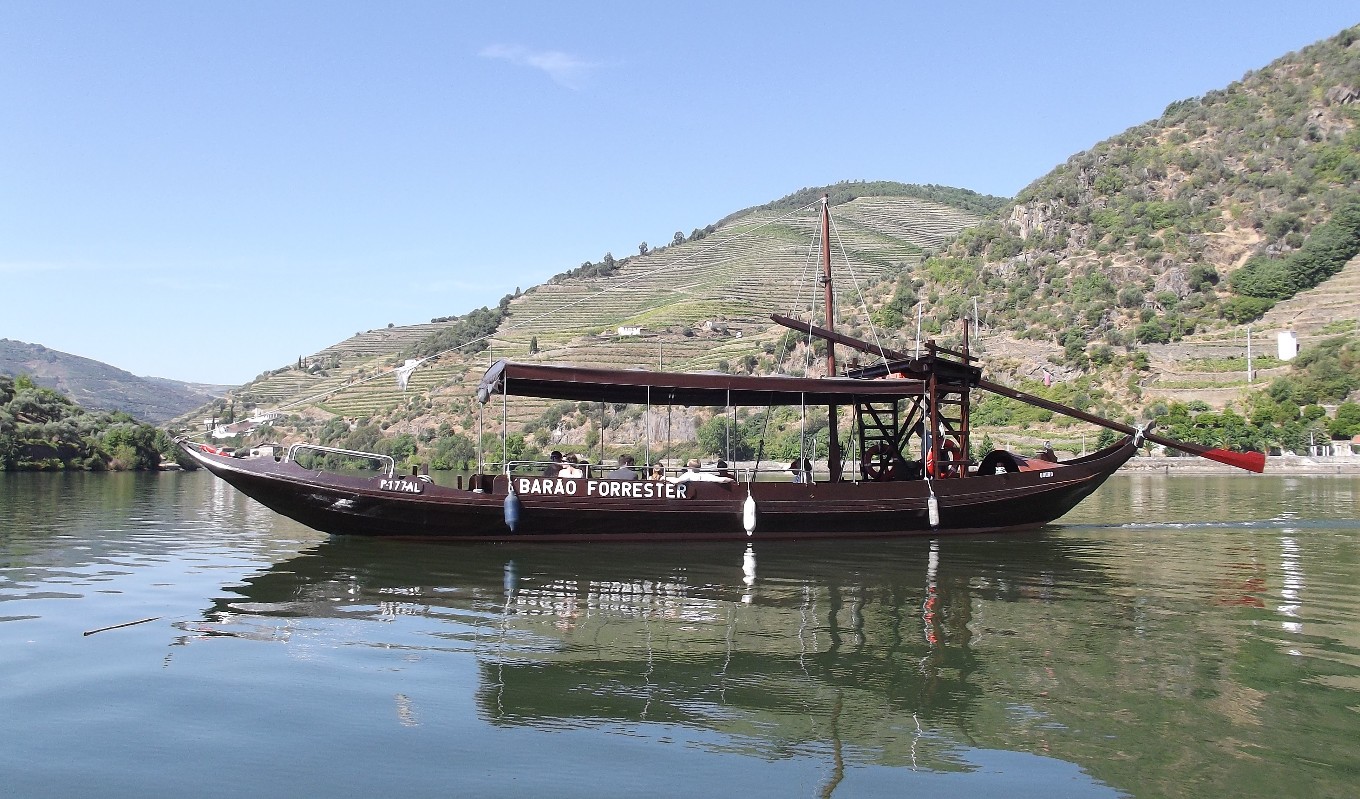
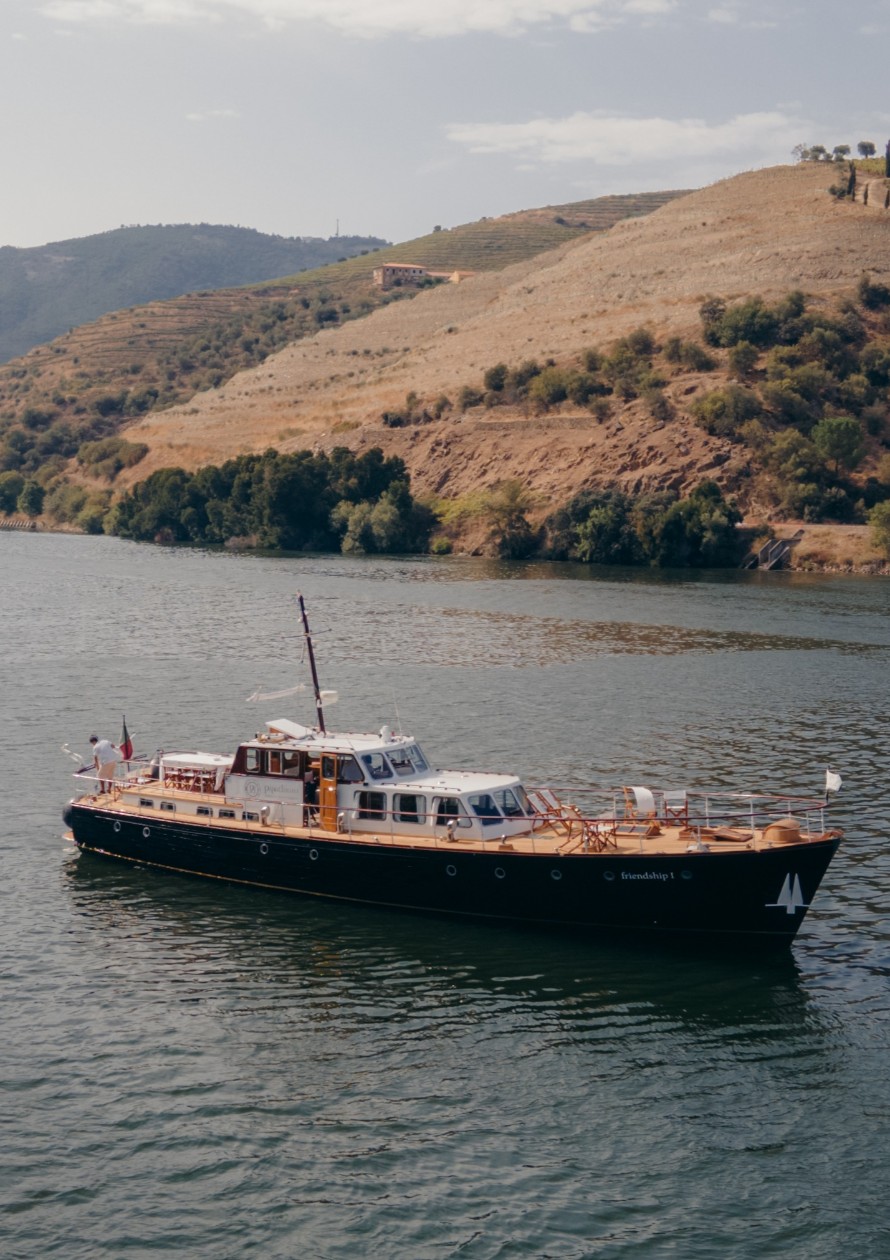
The trip and all the arrangements were excellent. The boat trip/lunch on the Duoro was the highlight of the trip for us. The guide in Porto was fantastic. The cooking class also stood out as Maria makes that a special afternoon. Overall, you made the trip a success that will be a great memory.
Mr. Vin Fabiani, Massachusetts, USA, September 2024
We had such a great time and can’t recommend Portugal Deluxe enough!! They were on time and SUPER professional!! We were so impressed with the drivers that it made the vacation even more enjoyable. The hotels and locations were excellent, and the tour recommendations were great!
Mrs. Heather Erzurum, USA, August 2024
From our driver who was a joy, to our local Chef who was wonderful and a delight, to our guide who made the trip unforgettable! Part of our heart will stay in the Azores and Portugal. Especially loved the Portuguese people! If we return to the Azores we will use your services again.
Mrs. Shirley Longfellow and Mt. James Cazinha, Oregon, USA, May 2024
The drivers and guides were exceptional. We had a great variety of things to see and do. We greatly appreciated your attention to all details. Portugal and Spain Deluxe is outstanding. Would recommend you to anyone traveling to Portugal.
Mrs. Barbara Edgar and Ms. Frances Ryan, Georgia, USA, November 2023
We thoroughly enjoyed our day with our driver and our guide. They were both extremely knowledgeable and pleasant to be with and the arrangements for the day were great.
Mrs. Mary Roth, Missouri, USA, November 2023
Excellent tour guides, drivers and hotels (Six Senses in a league by itself). Portugal and Spain Deluxe was fantastic in putting in all together.”
Mr. Malcolm Deam, USA, June 2023
This trip has been AMAZING! Just fabulous every day! Thank you so much for all of your perfect planning.
Mrs. Jill Baker, Virginia, USA, May 2023
Everything was perfect! Thank you! Drivers and guides were all truly amazing! Hotels were absolutely spectacular! We may have eaten and drank too much, but that’s on us! Fabulous vacation all around! Thank you for everything! We can’t wait to come back!
Mrs. Robin Easton, New York, USA, April 2023
We had a FABULOUS time. The driver and Sophia were so nice and knowledgeable. She was amazing! We are so glad she joined us for lunch as we learned even more about the food and how to order from the menu. Portugal is absolutely beautiful. The people are nice, very friendly, and helpful.
Mrs. Joy Rons, New Jersey, USA, February 2023
The land tour with Portugal Deluxe was great. The guides and drivers were excellent and the tours provided a good variety of things to see and do. Portugal was really great!
Mr. & Mrs. Dawnson, Honolulu, USA, November 2022
I am back home and still smiling about my wonderful time in Portugal! I shared with Peter before the end of the trip how very happy we were and how I have never experienced the level and quality of ground support that your team provided.
Mrs. Catherine Rose, Illinois, USA, October 2022
Just had a lovely chat with Tom & Lauren. They absolutely loved the trip! Really enjoyed the guides/drivers being so knowledgeable and nice. I’m so glad we booked the Tuk Tuk because they both commented on that a few times. Thank you again for everything!
Mrs. Terri Myerson, California, USA, October 2022
Everything was terrific and worked out as planned. The hotels were all beautiful, particularly the Six Senses and the Vila Vita. Both of those also had amazing breakfasts. The guides were very informative, and offered lots of useful information and suggestions.
Mr. Freeman, Illinois, USA, September 2022
I just had a long conversation with Dr/Mrs Glassman. Their remarks can be easily summarized with the comment “wonderful trip.” The Glassman’s were impressed with all the cars, drivers and guides.
Mrs. Margery C. Coen, Chicago, USA, September 2022
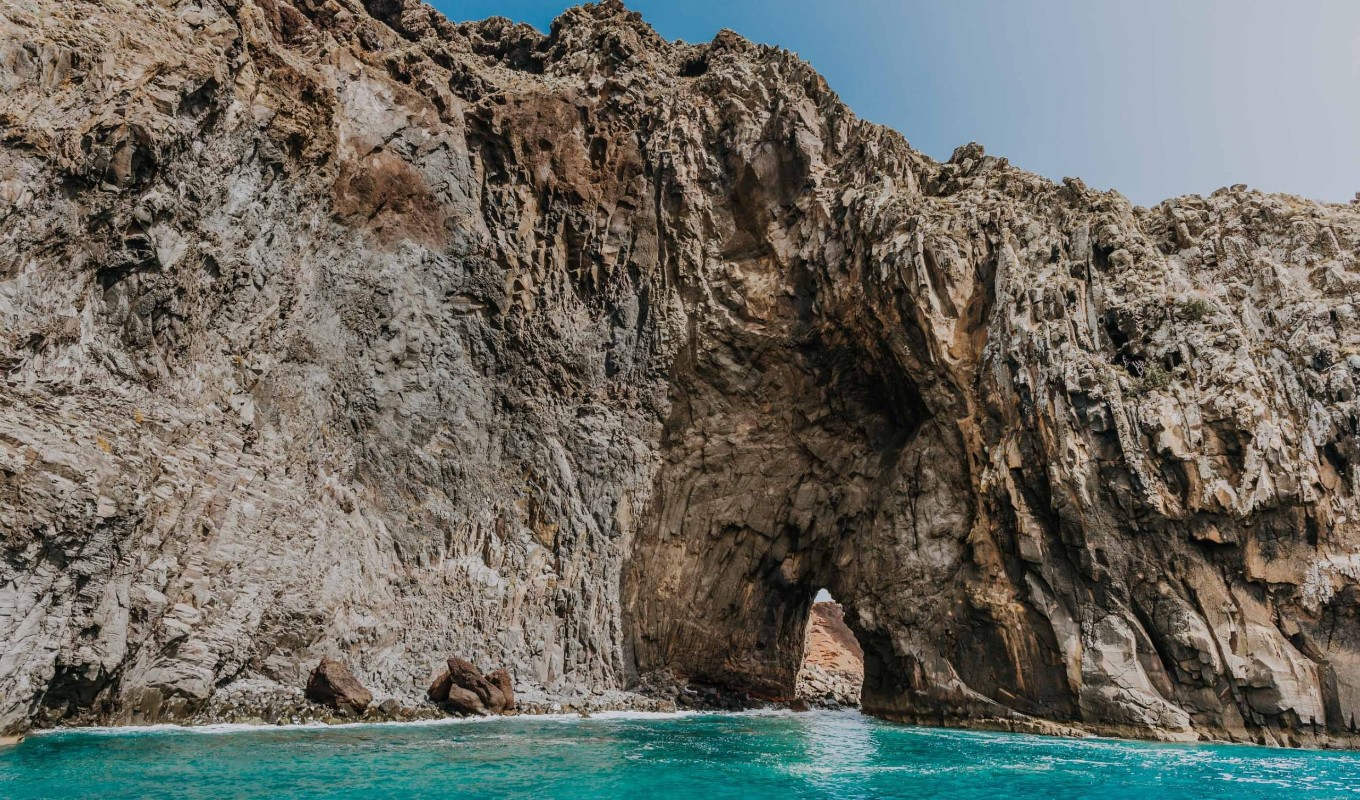
We had an amazing time the Azores are just stunning and feel like a mix of so many different landscapes. Definitely a very unique and lovely place to visit, full of activities but also very relaxing.
Mr.Gibbons & Ms.Jaspers, California, USA, August 2022
Our trip was wonderful, and we so appreciate all your work during the planning and while we were in Portugal. Our driver Joao (spelling?) was outstanding! We loved Quinta da Comporta! The staff there was absolutely outstanding!
Mrs. Broner and family, New York, USA, August 2022